21/11/2024
In the field of care and accessibility, innovation plays a key role. The way people with reduced mobility are assisted is evolving thanks to solutions designed to optimise their wellbeing and the work of their carers. Among them, ceiling hoists have become a benchmark, transforming the way transfers are carried out in hospitals, nursing homes and private homes.
But… What advantages do ceiling hoists provide in homes and centres?
Greater safety and comfort for users and carers
One of the main benefits of ceiling hoists is the safety they provide for both users and carers. By avoiding excessive physical exertion, the risk of injury among healthcare professionals is reduced. In addition, transfers are smoother and more controlled.
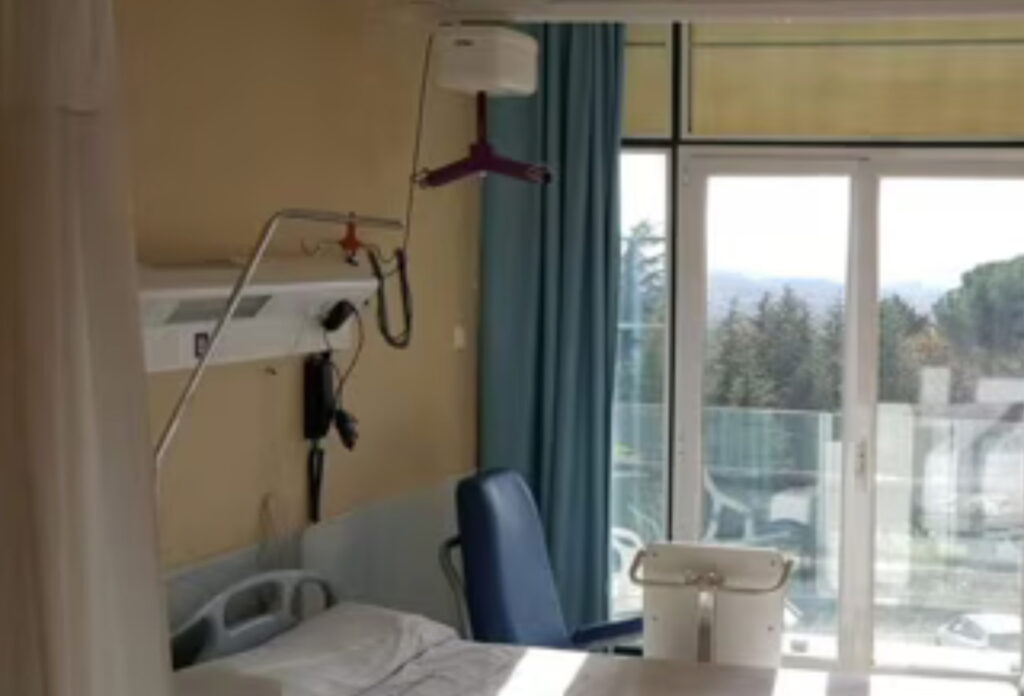
For example, in a care home, a carer may carry out more than 20 transfers a day. Without a ceiling hoist, this involves lifting and moving residents manually, which can lead to chronic injuries. With a ceiling hoist, each transfer is carried out safely, thereby reducing physical strain and preventing accidents for both the resident and the carer.
In addition, the ergonomic design of the hoists and the automated systems allow precise and predictable movements, ensuring that the person feels comfortable and protected in each movement. Ceiling hoists, together with suitable slings, ensure proper support, preventing falls or uncomfortable positions during transfers.
Greater personal autonomy
The ability to move with greater autonomy is a fundamental aspect for those with reduced mobility. Thanks to advances in this type of solution, many ceiling hoists allow the user to manage their own transfers with minimal assistance or even independently.
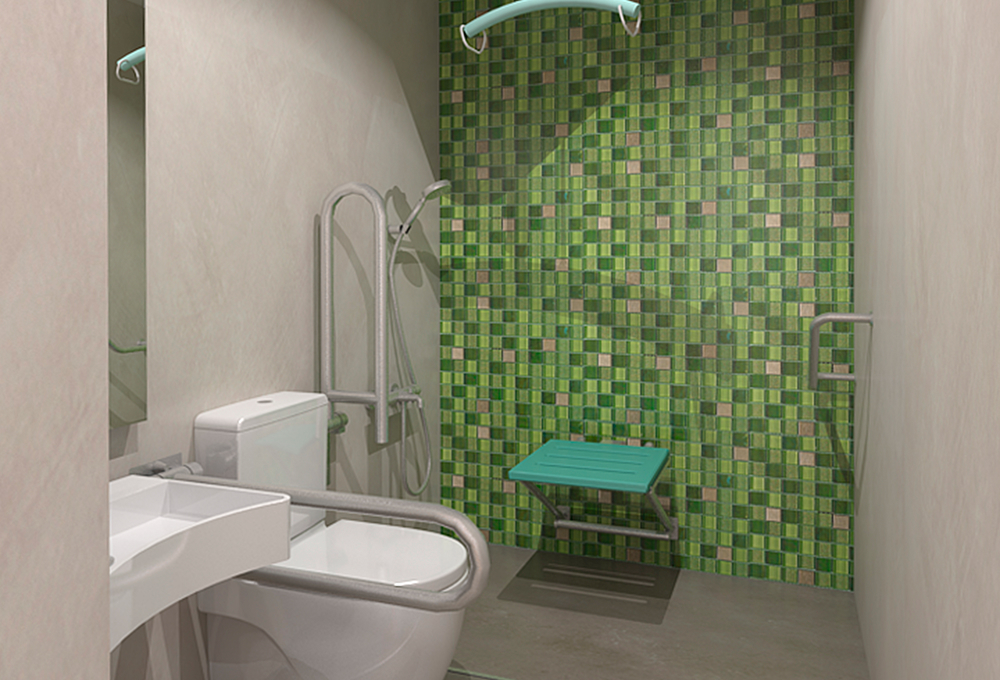
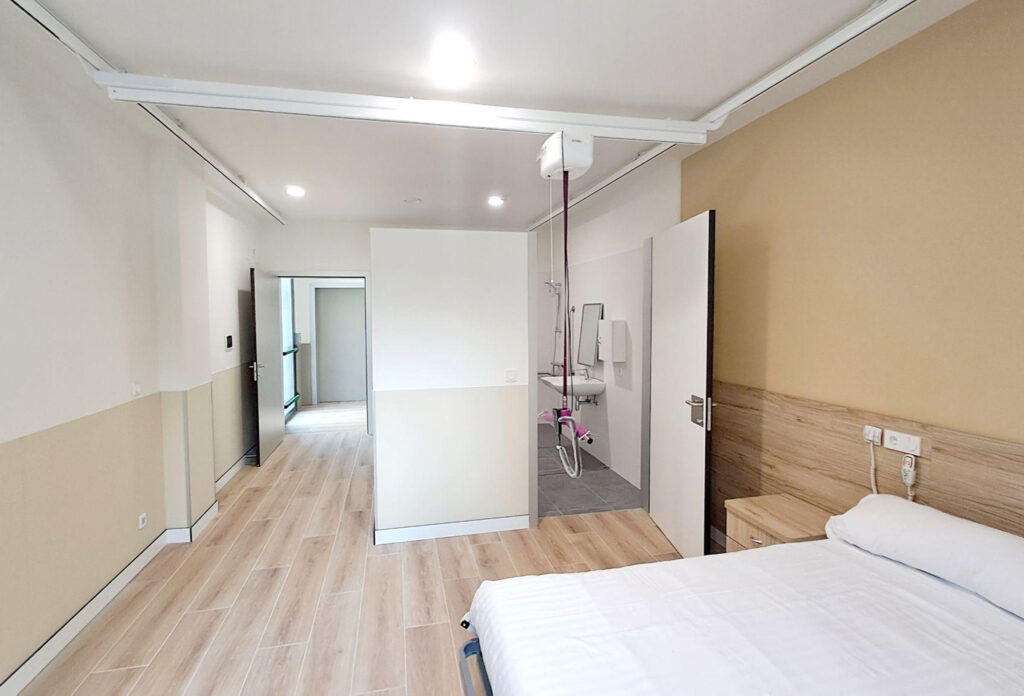
For example, in the case of a person with a spinal cord injury who wishes to maintain their personal autonomy at home, a ceiling hoist installed in their bedroom with access to the bathroom allows them to transfer from their bed to their wheelchair and then to their shower without constantly relying on a carer. This not only makes their day-to-day life easier, but it also has a positive impact on their self-esteem and sense of control over their own body and space.
They optimise the work of staff in centres, hospitals and care homes
In professional settings, such as hospitals, rehabilitation centres and care homes, the installation of ceiling hoists optimises the work of healthcare staff. Reducing the physical effort involved in transfers decreases time off work due to injuries and improves the team’s efficiency.
In addition, the most advanced models include remote control systems and movement programming, which enables healthcare staff to carry out transfers accurately and without unnecessary effort.
They adapt to all kinds of spaces
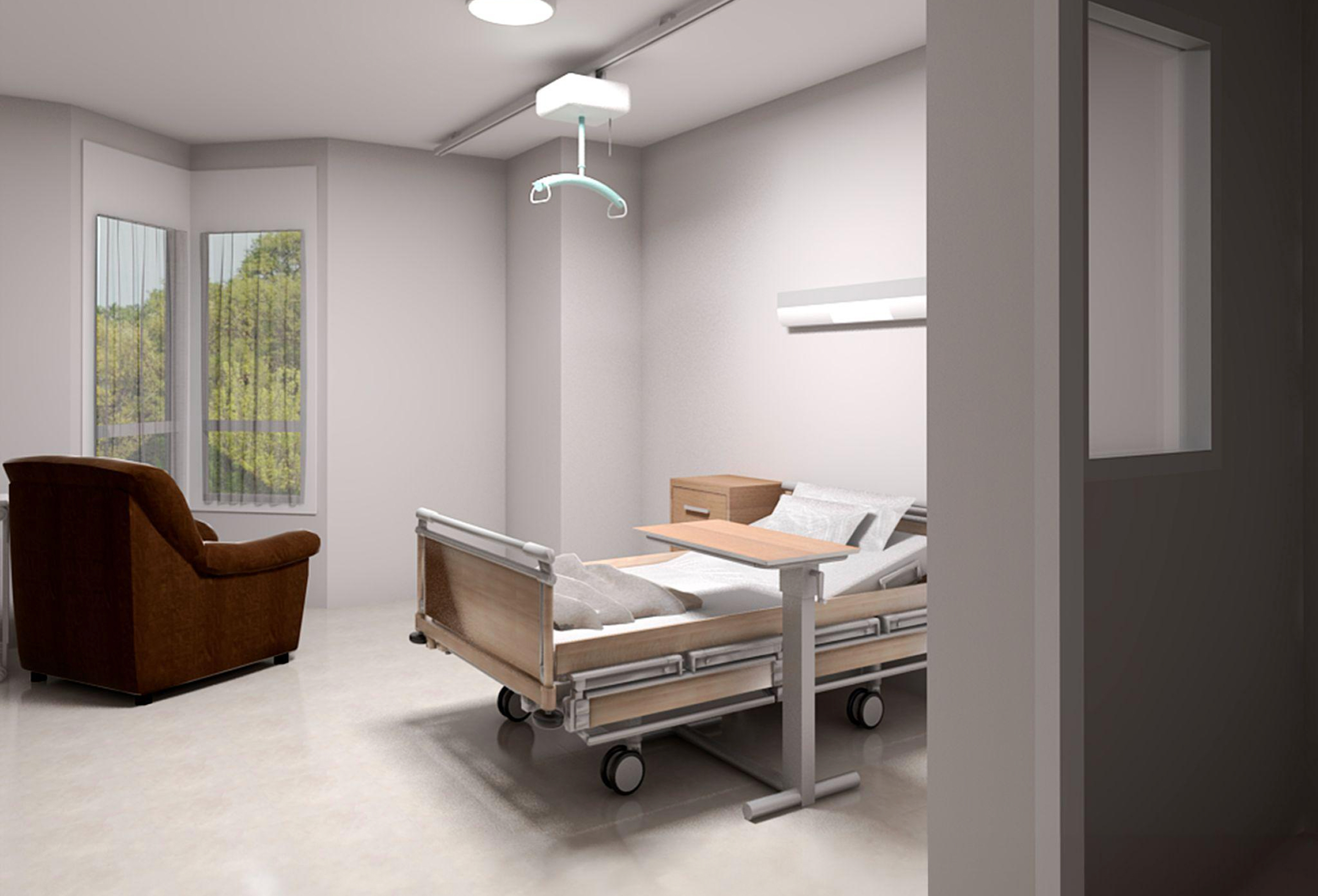
Each environment has specific needs, and ceiling hoists are designed to adapt to different situations. There are systems with modular rails that make it possible to cover several rooms without disrupting the architecture of the building, facilitating access to beds, bathrooms, showers and other essential areas.
This makes it possible to install tailored solutions both in single rooms, where a simple system is required for basic transfers, and in more complex facilities, such as hospitals or care homes, where it is necessary to connect several areas (bedroom, bathroom, rehabilitation room) by means of a rail system that facilitates transfers continuously and without interruption.
Towards a more accessible future
At Carima, we understand that each project requires a specific, well-designed solution. We not only manufacture ceiling hoists, but we also provide a comprehensive service that covers everything from initial consultancy through to the installation and maintenance of the systems. Our approach combines advanced engineering, expert advice and a deep understanding of the needs of people with disabilities and reduced mobility.
We are committed to solutions that not only facilitate transfers, but also improve the quality of life of users and the efficiency of those who assist them. Ceiling hoists are a clear example of how well-applied technology and design can make a difference in the day-to-day lives of thousands of people.
We imagine a world where technology supports care. Where each space can offer functional, respectful and customised solutions. And where every transfer is continuous, safe and kinder for everyone.