08/01/2025
In a hospital, safe and efficient mobility is not a luxury; it is a necessity. Every day, thousands of patients require assistance to move from their bed to their wheelchair, bathroom or a stretcher. These transfers, when carried out manually, pose a risk both to patients, who may suffer falls or sudden movements, and to healthcare staff, who are exposed to injuries from repetitive strain.
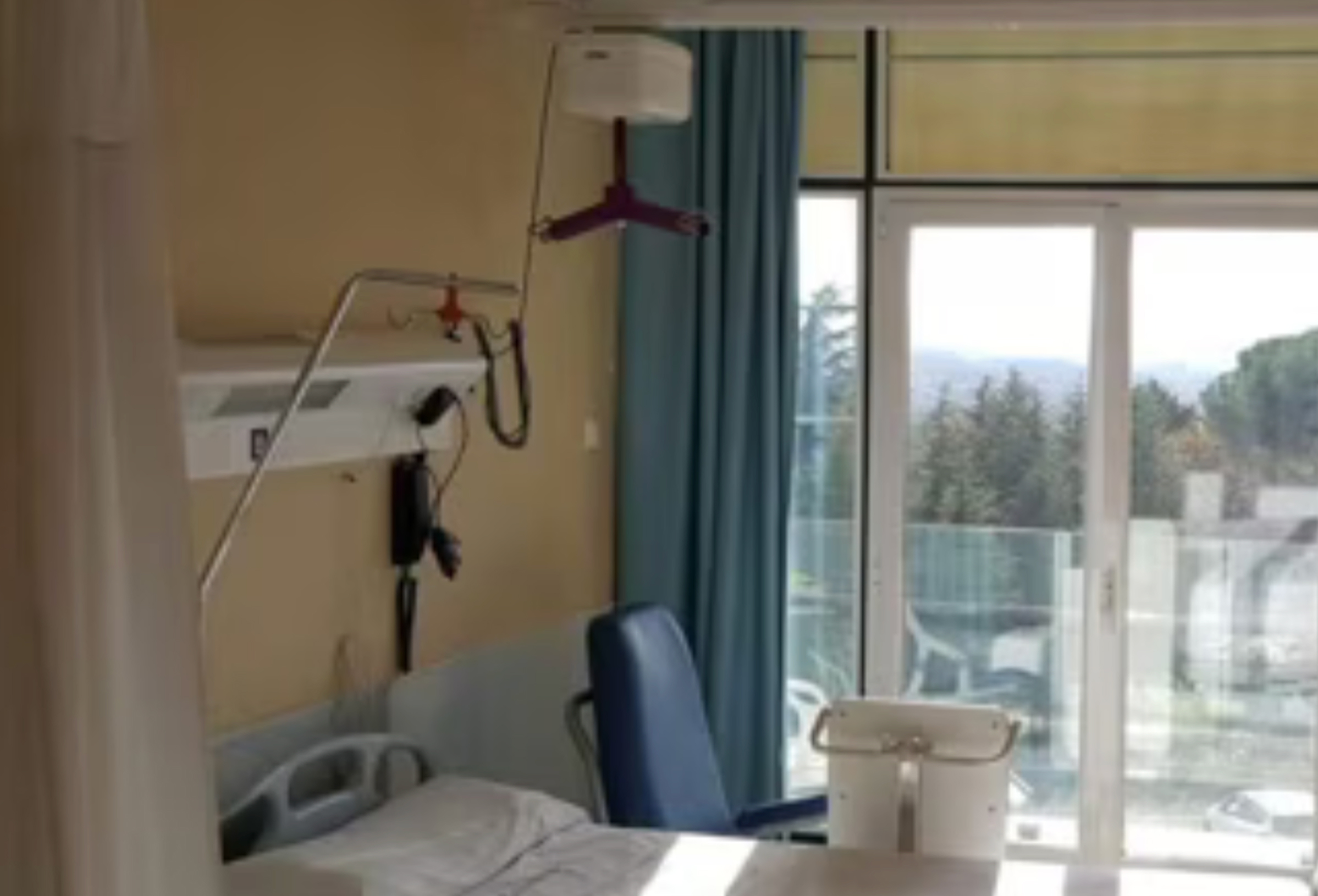
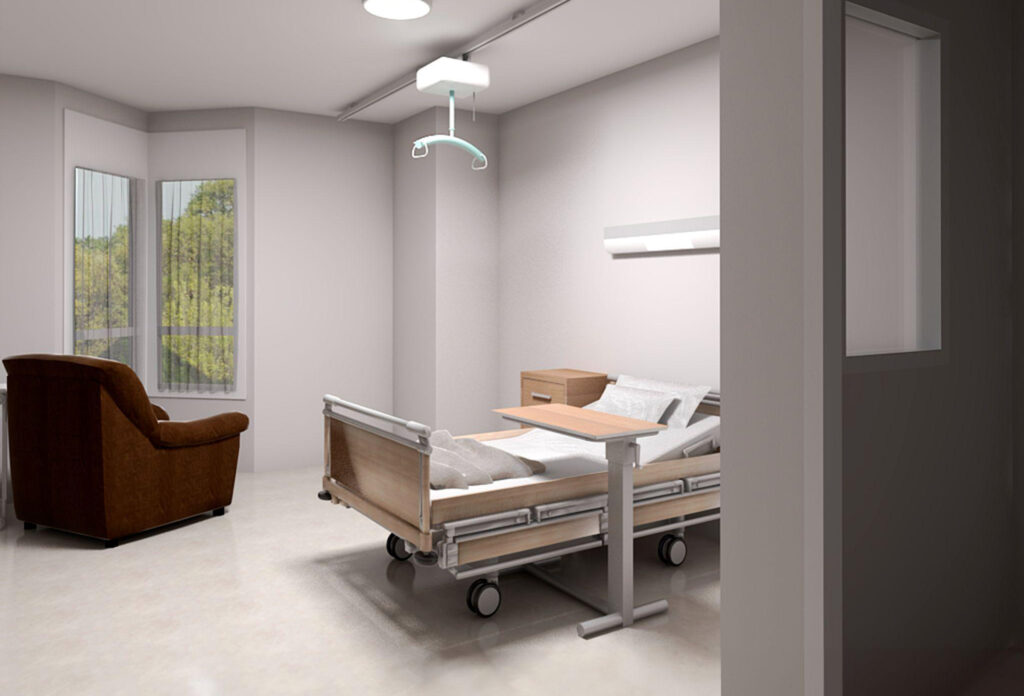
Added to this is another key challenge: space. Hospital rooms are full of medical equipment, adjustable beds, monitors and furniture, which makes floor lifts impractical or, in many cases, not viable. This is where ceiling hoists make all the difference. As they are installed on the ceiling, they do not take up floor space, which helps to keep the area clear and functional. Discreetly integrated into the hospital’s infrastructure, they facilitate safe and controlled transfers without obstructing the work of healthcare staff or interfering with other medical equipment.
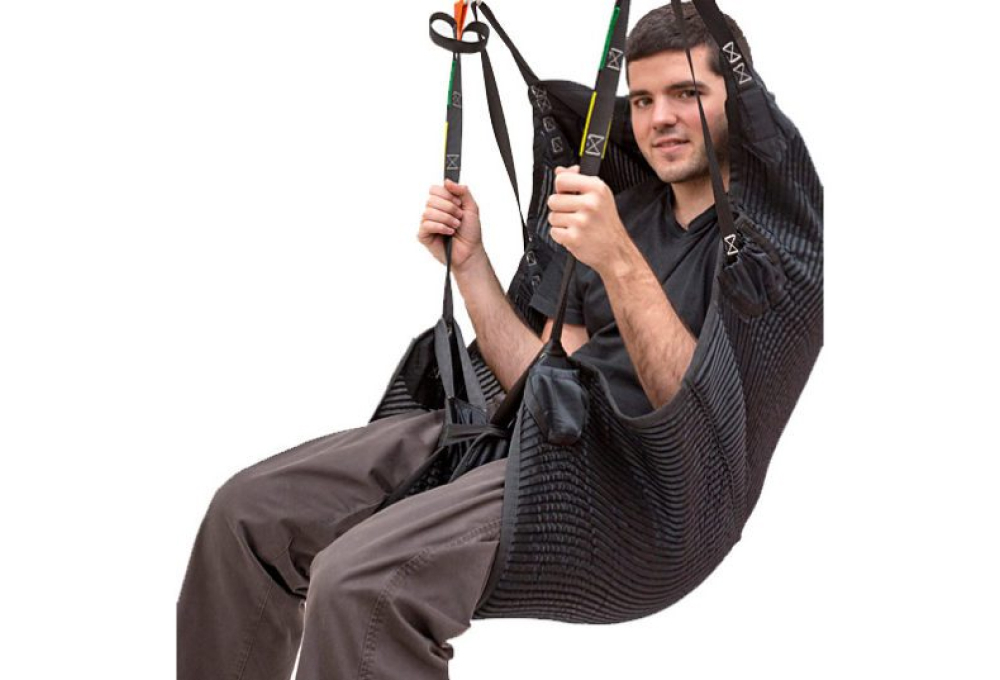
Thanks to their design, ceiling hoists allow patients to be moved smoothly and continuously, avoiding uncomfortable manoeuvres and reducing the risk of falls to a minimum. This not only ensures a safer and more ergonomic transfer, but also optimises the work of healthcare staff, making it more efficient and less strenuous. By removing the need for unnecessary physical exertion, they help prevent musculoskeletal injuries in nurses and carers, improving their working conditions and allowing them to focus on what is essential: patient wellbeing and care.
What are the advantages of installing ceiling hoists in hospitals?
- Greater safety for patients and healthcare staff
Falls in hospitals are one of the leading causes of injuries in patients with reduced mobility. Ceiling hoists eliminate this risk by enabling stable, effortless transfers. Unlike manual transfers, where a wrong movement can result in falls or discomfort, these hoists ensure controlled, ergonomic movement. In addition, they protect healthcare staff, as they reduce physical effort and prevent muscle injuries or strain associated with repetitive lifting.
- Greater efficiency and time optimisation
Hospital staff work under great pressure, and every minute counts. With ceiling hoists, transfers are carried out efficiently, without the need to reorganise the room or request additional help. A single professional can carry out a patient transfer effortlessly, avoiding the need for several carers for the same task. This not only improves organisation in hospital units, but also allows the medical team to focus on patient care and wellbeing rather than complicated physical manoeuvres.
- Greater comfort and dignity for the patient
Being moved abruptly or with awkward manoeuvres can be a distressing experience for the patient, especially during vulnerable moments. Ceiling hoists guarantee a smooth transfer, without sudden movements or forced movements. In addition, they make it possible to maintain privacy, as they reduce the need for several people to be involved in each transfer. They also help to reduce the feeling of dependence and promote greater personal autonomy where possible.
- Improved ergonomics and reduced injuries among healthcare staff
Manual transfers are one of the main causes of work-related injuries in hospitals. Lifting and moving patients several times a day involves repetitive exertion that can lead to musculoskeletal problems, affecting the health of healthcare staff. Ceiling hoists eliminate this unnecessary physical effort, ensuring more ergonomic postures and movements without overexertion. This not only reduces the number of sickness absences due to injuries, but also allows healthcare assistants and nurses to focus on care tasks without putting their physical wellbeing at risk.
Faster and safer transfers in rehabilitation
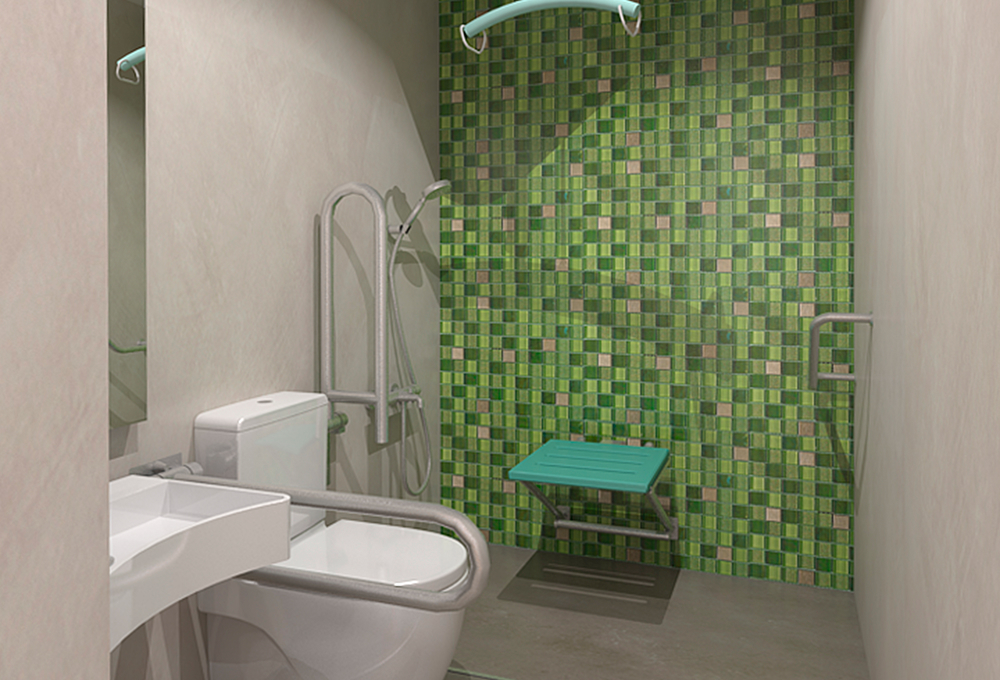
In the case of a rehabilitation hospital, staff carry out numerous transfers every day to help patients with reduced mobility move between the bed, the wheelchair and the bathroom. When this process is manual, it requires at least two carers per patient, increasing physical effort and waiting times.
Ceiling hoists streamline these transfers, enabling a single carer to carry out the transfer safely and effortlessly. This optimises resources, reduces risks and improves the quality of care.
At Carima, we have worked with numerous hospitals and centres and we know the impact that ceiling hoists have on patient safety and the work of healthcare staff. We design customised solutions for each space and provide expert consultancy to assess the needs of each centre. In addition, we take care of installation and maintenance, ensuring optimal operation in the long term.
If you are looking to improve safety and care in your hospital, nursing home or centre, we are here to help you. Talk to our team and discover how to implement ceiling hoists in your space. Request a free quote here: info@carimatech.com